











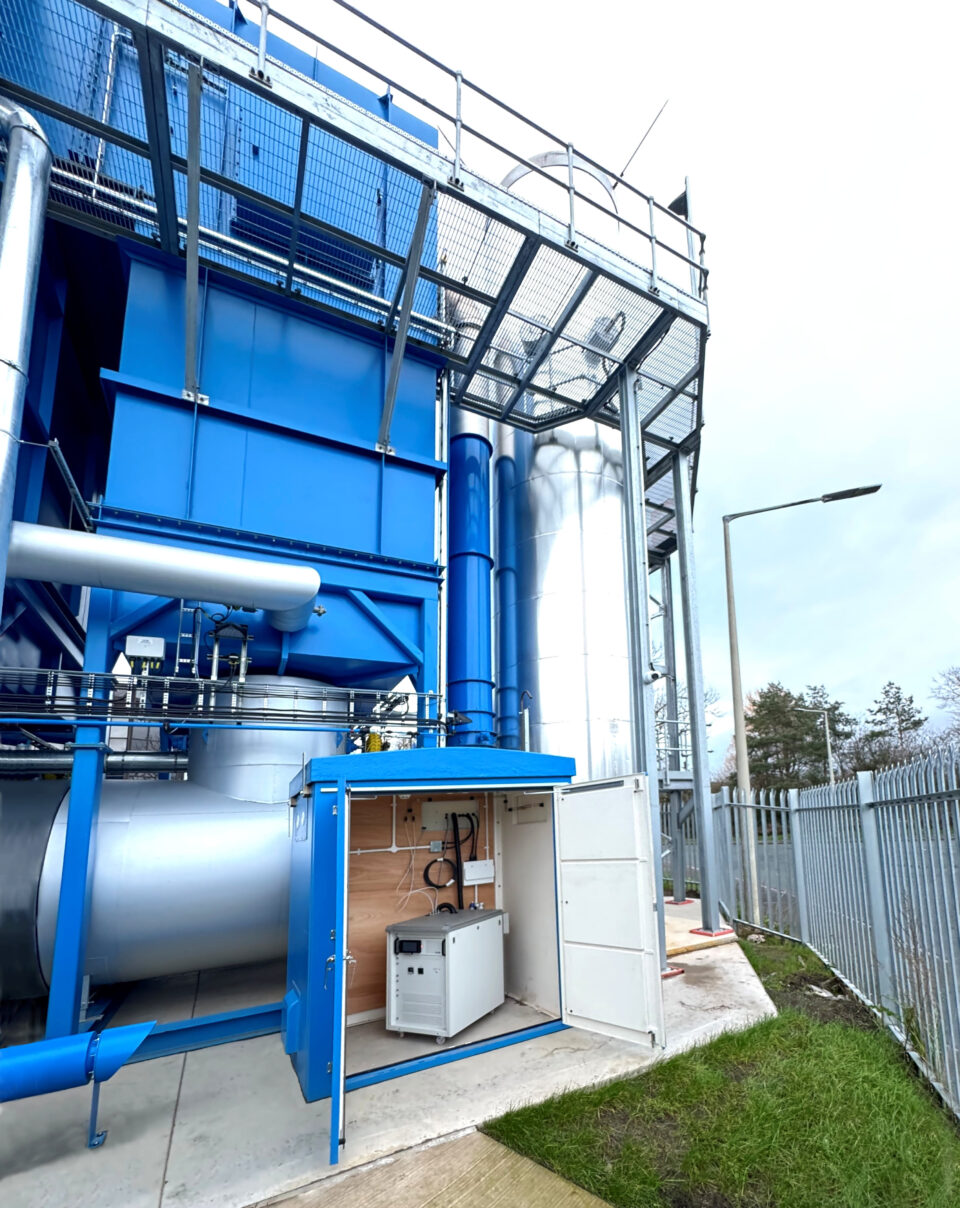
A leading coatings manufacturer in Wales has installed an advanced online gas analysis system to monitor emissions of Volatile Organic Compounds (VOCs), enabling the company to leverage real-time data for measurable environmental, operational and compliance benefits.
ProAmpac Advanced Coatings, which has operated on the Wrexham Industrial Estate for more than 50 years, invested in a new Regenerative Thermal Oxidiser (RTO) in 2025. The RTO destroys VOCs, air pollutants and odours through high‑temperature oxidation and is continuously monitored using a Signal Group VOC analyser to optimise performance, provide early warnings and support regulatory compliance.
Dan Hitchcock, Project Manager at ProAmpac Advanced Coatings says “We see the analyser as essential. Real‑time data supports effective process control and allows us to verify that emissions are being correctly abated. That gives us confidence that we will meet emissions limits when regulatory testing is carried out.”
Long‑standing commitment to emissions control
ProAmpac Advanced Coatings (PAC) is a global supplier of precision coating materials, including coated papers, films and specialist substrates for applications such as digital imaging, electronics, medical and optical technologies. Its manufacturing processes involve the use of solvents, making robust emissions control essential.
As a Part A2 installation, the Wrexham site has long operated an on‑site thermal oxidiser to protect the environment and meet the requirements of an environmental permit issued by the local council. Historically, the permit has included emission limit values (ELVs) for pollutants such as Total Organic Carbon (VOCs), carbon monoxide and nitrogen oxides. These emissions are checked during annual visits by an MCERTS‑accredited contractor.
In addition to periodic compliance testing, PAC has continuously monitored post‑combustion VOC emissions for over 20 years using a Signal Group analyser employing a flame ionisation detector (FID), the reference method for VOC measurement. The original analyser remained in operation for approximately two decades.
Investing ahead of regulatory change
Installed in 1995, the original RTO was approaching the end of its service life after 30 years of continuous operation, with ageing ceramic beds requiring increasing maintenance. At the same time, emissions regulations affecting solvent‑based coating processes were becoming more stringent. Updates to the Best Available Technique (BAT) Reference Document for Surface Treatment using Organic Solvents (STS BREF) introduced lower emission limits for applicable installations, prompting the local council to begin drafting a revised permit for the site.
“In that context, relying solely on periodic testing would not give us the level of operational visibility we need,” Dan Hitchcock explains. “Continuous monitoring allows us to manage performance proactively rather than retrospectively.” With an ageing RTO, and with the prospect of tighter regulations, PAC chose to install a new, more efficient RTO with a capacity of up to 150,000 Nm³/hour, commissioned in 2025.
Real‑time data, real‑world benefits
PAC continues to operate continuous VOC monitoring alongside statutory compliance testing. Dan Hitchcock, who has worked at the Wrexham site since 1992, says real‑time data is critical to effective control of both coating processes and the RTO. “The analyser helps us optimise oxidiser performance, manage emissions from the coating lines, and control fuel input.” he says. “Any issue with the RTO could have serious consequences, so early detection is vital.”
An integrated monitoring and alarm system provides management staff with real‑time displays, historical data and automated alerts. The system also confirms correct operation and calibration of both the analyser and the heated sample line.
Sean O’Brien, Health, Safety and Environment Manager at the site, adds: “Continuous VOC monitoring allows us to identify potential problems early and address them before they escalate. It gives us confidence that compliance monitoring will demonstrate performance that meets permit requirements, while providing additional reassurance to the regulator.”
Proven performance from Signal Group
Following more than 20 years of reliable service from its first Signal Group analyser, PAC selected Signal once again when upgrading its monitoring system for the new RTO.
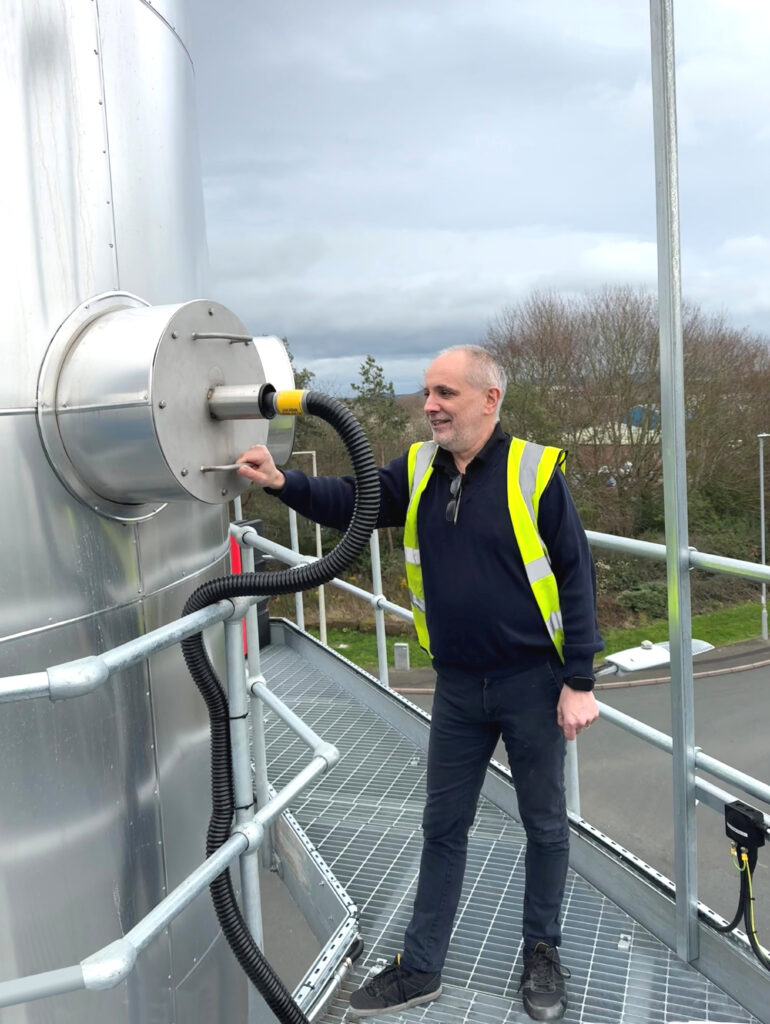
The original instrument has been replaced with an MCERTS‑approved SOLAR CEMNEX continuous FID analyser, installed at the base of the RTO exhaust stack. Signal Group also supplied the heated sample line. As an MCERTS‑certified system, the analyser’s data are accepted by regulators including local councils, Natural Resources Wales, SEPA and the Environment Agency.
The system is supported by daily automatic zero checks, periodic span checks using calibration gas, and comprehensive on‑site servicing every six months under a long‑term maintenance agreement with Signal Group.
Summary
Regenerative thermal oxidisers are designed for continuous operation, and any interruption to their operation would also increase the cost of recreating sufficiently high temperatures within the RTO. Also, thermal cycling can cause mechanical stress, increase energy consumption and damage ceramic media affecting the performance of the RTO.
At the Wrexham site, where production schedules vary daily, continuous monitoring is critical for providing assurance that the RTO is performing well and for ensuring operational efficiency, environmental protection and regulatory compliance.

Discover more from Africa-Middle East Mining and Energy News
Subscribe to get the latest posts sent to your email.