

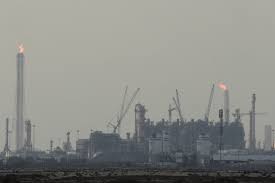
The conflict involving Iran has disrupted Qatar’s LNG operations, creating volatility across global energy markets and raising concerns about energy security. As one of the world’s largest LNG exporters, Qatar supplies about 20% of globally traded LNG, making any disruption to its production or shipping routes highly significant for international supply.
A key concern is the Strait of Hormuz, a critical transit route through which roughly one-fifth of global LNG shipments pass. Rising tensions in the region have forced some shipping operators to suspend or reroute cargoes, leading to longer delivery times, higher insurance premiums and increased transportation costs.
European gas markets reacted sharply to the potential supply disruption. Prices at the Dutch TTF hub surged by more than 45% in a single trading session, reflecting fears of reduced LNG availability. The situation is particularly challenging for Europe because gas storage levels remain relatively low following winter demand and the region has become more dependent on LNG imports after reducing reliance on Russian pipeline gas.
Asian markets also saw price increases, although their more diversified supply base provided some resilience. However, competition between Asia and Europe for alternative LNG cargoes could further drive prices upward.
The disruption highlights broader vulnerabilities in global energy systems and is prompting governments to reconsider energy security strategies, including supply diversification, expanded storage capacity and accelerated investment in renewable energy.