










Africa possesses some of the world’s most significant undeveloped natural gas resources, but the challenge facing the continent is increasingly clear: how does Africa move from discovery to delivery and turn its gas wealth into energy security, industrialisation, jobs and economic growth?
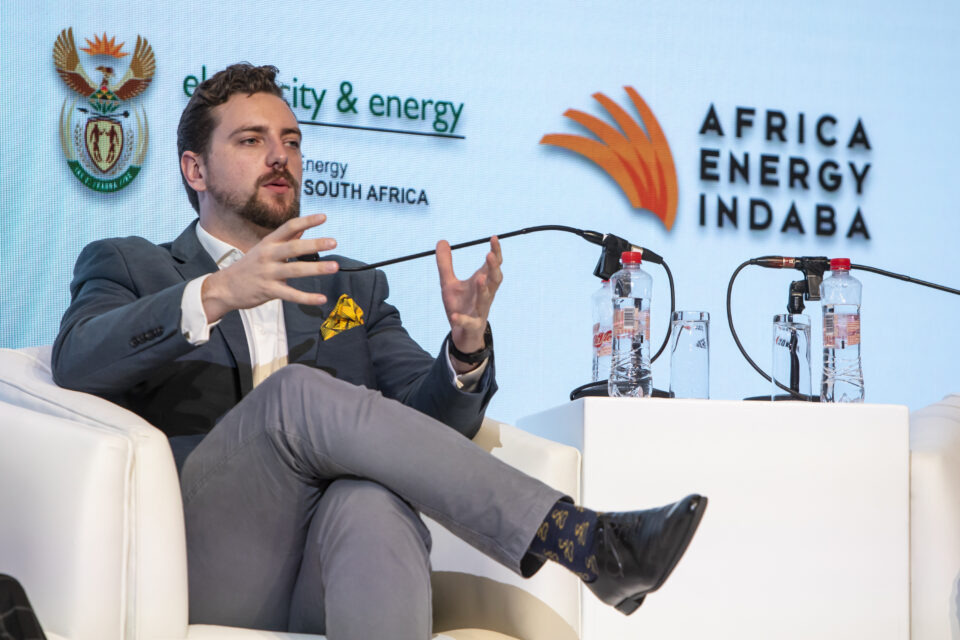
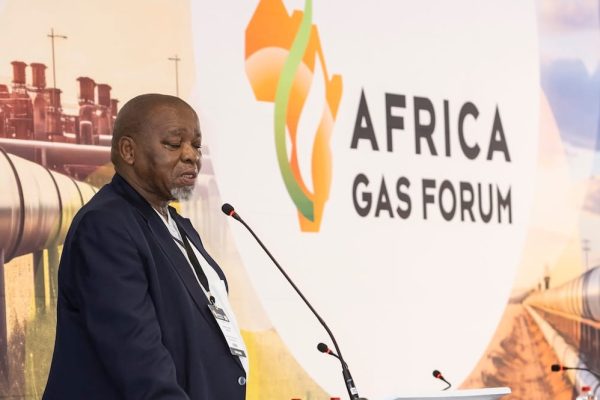
This question will be at the centre of the Africa Gas Forum 2027, taking place on 4 March 2027 at the CTICC in Cape Town, as an official thematic event of the Africa Energy Indaba. The Forum will be held under the theme “Africa’s Gas Decade: From Discovery to Delivery – Powering Energy Security, Industrialisation and Regional Growth.”
The scale of the opportunity is substantial. African gas production reached approximately 262 billion cubic metres (bcm) in 2025, an increase of 2.5% year-on-year and equivalent to around 6.2% of global gas production, according to the Gas Exporting Countries Forum. Growth was supported by increased production in sub-Saharan Africa, including Nigeria and Angola, as well as the commissioning of the Greater Tortue Ahmeyim project between Senegal and Mauritania.
Africa is also becoming increasingly important in global LNG markets. The continent accounted for approximately 8.5% of global LNG supply in 2024, while several major projects are now moving forward.
The International Energy Agency’s current LNG project tracker includes Nigeria LNG Train 7, Mozambique LNG, Coral North FLNG and Gabon’s Cap Lopez LNG among African projects expected to add new liquefaction capacity through 2030, while Greater Tortue Ahmeyim began production in 2025. Mozambique LNG alone has nameplate capacity of approximately 12.9 million tonnes per annum, with first LNG currently targeted for 2029.
Mozambique illustrates the transformative scale of Africa’s opportunity. The country has an estimated 3,766 bcm of recoverable gas resources, while the new Coral North FLNG project represents an investment of more than US$7 billion and is expected to generate more than US$20 billion in fiscal revenues over its lifetime.
However, developing resources for export represents only part of the opportunity.
African gas demand is projected to increase by approximately 60% by 2050, creating opportunities to use gas domestically for electricity generation, fertiliser, petrochemicals, mining, manufacturing and other industrial applications.
This transition from simply producing and exporting gas towards creating integrated domestic and regional gas economies will form a central focus of the Africa Gas Forum.
From Discovery to Delivery
The 2027 Africa Gas Forum programme will bring together governments, national oil companies, international energy companies, investors, financiers, infrastructure developers and major industrial users to address five critical areas:
Africa’s Gas Opportunity – From Major Discoveries to Commercial Production will examine what is required to convert discoveries into producing assets, including investment, LNG development, infrastructure, regulation and domestic market development.
South Africa’s Gas Cliff – From Supply Risk to a Secure Gas Future will address one of Southern Africa’s most immediate energy challenges, exploring replacement gas supply, LNG, infrastructure, industrial demand, pricing and regulatory requirements.
Beyond the Gas Master Plan – Turning Strategy into Delivery will focus on converting national gas strategies into bankable projects, pipelines, terminals, storage facilities and gas-to-power developments.
Building Africa’s Gas Markets – Infrastructure, Trade and Cross-Border Connectivity will explore how pipelines, LNG infrastructure, regional trade and cooperation can connect African gas producers with power generators and industrial consumers across borders.
Finally, Gas to Industry – Turning Africa’s Gas Resources into Jobs, Manufacturing and Growth will examine how gas can support fertiliser production, petrochemicals, methanol, mining, manufacturing and domestic value addition.
Africa Has the Gas – Now It Must Build the Market
The central message of the Africa Gas Forum 2027 is that Africa’s gas opportunity should be measured not only in reserves or LNG exports, but in the economic activity those resources can unlock.
Significant investment will be required in pipelines, processing facilities, LNG terminals, storage, power generation and industrial infrastructure if African countries are to fully monetise their resources. Infrastructure remains one of the major constraints preventing growing gas production from reaching domestic and regional markets.
The Africa Gas Forum will therefore focus firmly on implementation bringing together the policymakers, resource owners, project developers, financiers, infrastructure providers and customers required to move projects forward.
With new discoveries, major LNG developments, growing domestic demand and an increasing focus on African industrialisation, the coming decade presents an important opportunity to redefine the role of gas in Africa’s economic development.
The question is no longer whether Africa has the gas. The question is how quickly Africa can turn that gas into infrastructure, electricity, industry, jobs and economic growth.

Discover more from Africa-Middle East Mining and Energy News
Subscribe to get the latest posts sent to your email.