











Across the Middle East, nations face the pressing challenge of maximising the economic value of natural resources while mitigating the impacts of volatile global energy markets.
For countries with substantial mineral wealth, simply extracting raw materials is no longer sufficient to sustain long-term economic development. The contemporary industrial landscape demands a transition towards value-added processing and sophisticated supply chains. Historically, in the mining and energy sectors, isolated national strategies have led to elevated operational costs and constrained industrial competitiveness.
For Jordan and Egypt, addressing these challenges requires modernising infrastructure and securing affordable, reliable energy to power their respective industrial zones. In an era where long-term energy security and rapid industrial growth are inextricably linked, the high cost of powering large-scale manufacturing remains a primary hurdle. To remain competitive on the global stage, regional players must find innovative ways to reduce energy expenditures while upgrading their capacities to process raw materials, such as raw phosphate, into high-value fertilisers and specialised chemical products.
Regional Integration as a Growth Catalyst
The solution to these industrial challenges lies in cross-border cooperation and the pooling of technical expertise. By linking energy networks, sharing advanced production technologies, and developing joint geological services, neighbouring nations can create a highly resilient economic environment. This integration allows countries to leverage complementary strengths, such as Egypt’s extensive experience in natural gas distribution and Jordan’s rich mineral reserves.
Furthermore, the current market dictates a pivot towards sustainable, forward-looking industries. The global push for agricultural security has heightened the demand for phosphate-based industries, including the production of phosphoric acid. Concurrently, the ongoing energy transition opens new avenues for investments in ammonia and green hydrogen production. By aligning industrial strategies, these nations can capture a larger share of expanding global markets, transitioning from raw material exporters to hubs of advanced chemical and green energy manufacturing.
A Strategic Bilateral Partnership
In a definitive move to operationalise this cooperative regional strategy, Egypt and Jordan have formally agreed to significantly deepen their strategic partnership across the energy and mining sectors. During high-level talks held in Amman on the 12th of July 2026, Egyptian Minister of Petroleum and Mineral Resources Karim Badawi and Jordanian Minister of Energy and Mineral Resources Saleh Al-Kharabsheh established a comprehensive framework for a new phase of bilateral economic integration. The discussions underscored the critical importance of translating strong diplomatic ties into actionable, on-the-ground investments.
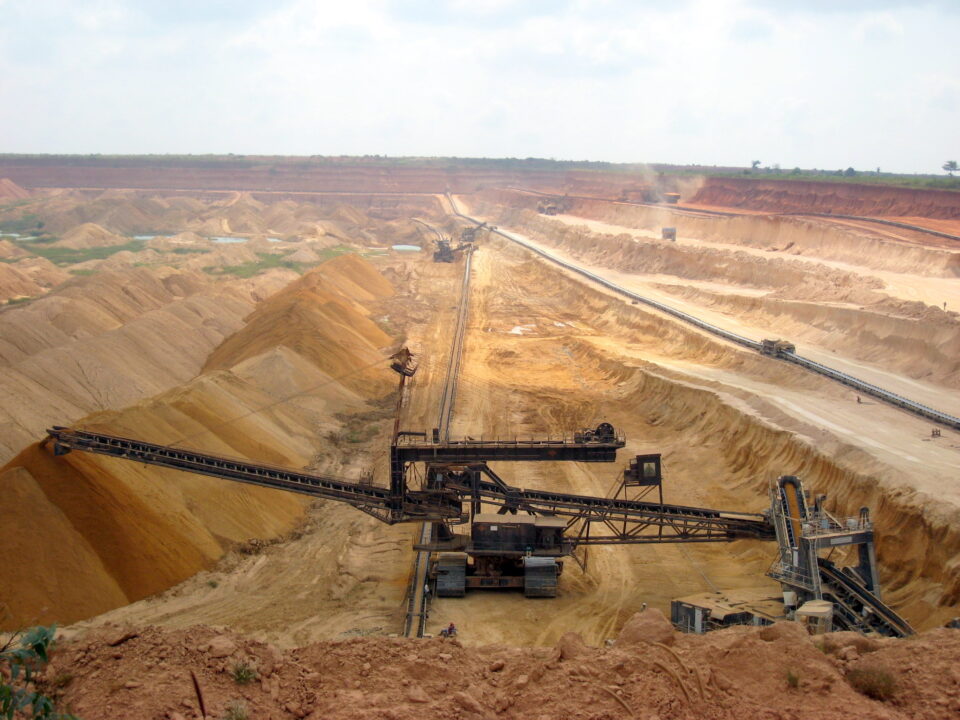
The announcement outlines specific plans to maximise the added value of both nations’ natural resources. In the mining sector, the two countries will collaborate on developing phosphate-based industries, enhancing mineral value chains, and conducting joint exploration activities. The partnership will combine technical, engineering, and managerial expertise to implement large-scale projects and eventually expand into broader regional markets.
A pivotal element of this agreement involves increasing the participation of Egyptian petroleum sector companies in Jordan’s energy infrastructure. Building upon the successful track record of the Fajr Jordan Egyptian Natural Gas Transmission and Supply Company, Petrojet, ENPPI, and Gas Misr, the new initiatives will explore opportunities for enterprises like EPROM, Town Gas, and Modern Gas.
Crucially, the Jordanian government announced that it is nearing the completion of agreements with two Egyptian firms to implement natural gas distribution projects in the industrial cities of Ma’an and Al Muwaqqar. These infrastructure developments will complement ongoing gas network expansions in Mafraq and Zarqa, directly addressing the need to reduce energy costs for Jordan’s industrial sector.
Paving the Way for Future Ventures
To ensure these goals translate into tangible outcomes, Egypt and Jordan have committed to establishing joint technical working groups. These teams will develop clear implementation mechanisms for the proposed infrastructure and investment partnerships. The ministers also explored emerging opportunities in green hydrogen and ammonia production. By transforming diplomatic ties into concrete commercial projects, Jordan and Egypt are setting a compelling precedent for robust Arab economic integration and sustainable industrial advancement.

Discover more from Africa-Middle East Mining and Energy News
Subscribe to get the latest posts sent to your email.