











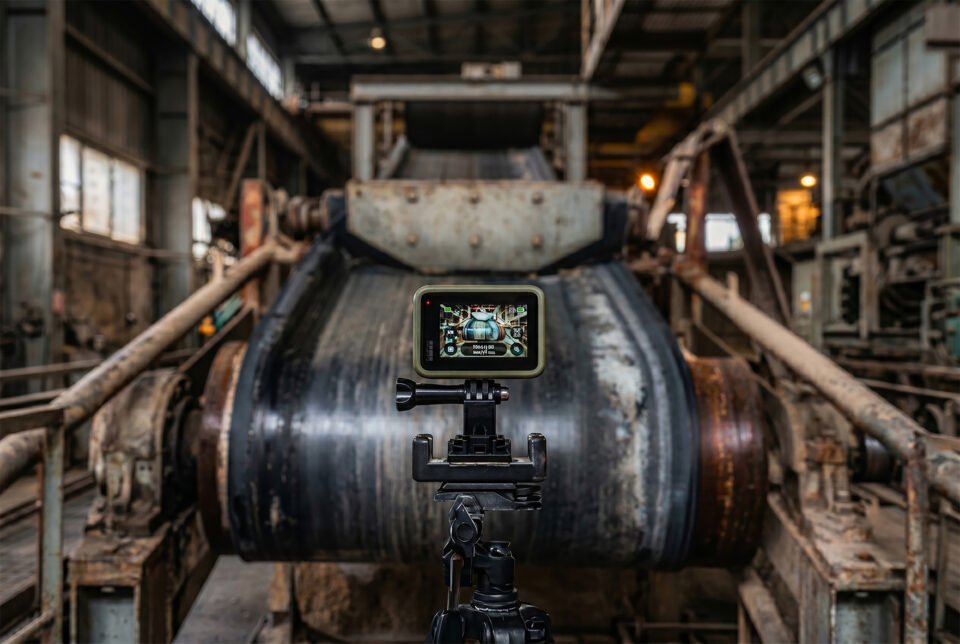
As conveyor systems become increasingly critical to production performance in mining and bulk materials handling operations, advanced thermal scanning technologies are emerging as a powerful tool in preventing catastrophic conveyor failures and improving plant reliability. According to David Pereira, Head of Sales at Tru-Trac, combining thermal scanning with modern belt scanning technologies is enabling operations to detect developing faults far earlier, allowing maintenance teams to move away from reactive repairs towards predictive, data-driven conveyor condition monitoring strategies.
“Abnormal heat signatures are often one of the first warning signs that a conveyor component is under stress,” Pereira explains. “Thermal scanning allows operations to identify issues such as failing bearings, excessive friction, lubrication breakdown and misaligned components before they escalate into major failures that impact production.”

When conveyor systems stop unexpectedly, the impact on production can be immediate and significant. The challenge, he says, is that many failures begin as relatively small issues that are difficult to detect during routine visual inspections.
Pereira explains that defects such as belt misalignment, splice deterioration, idler failure, pulley bearing overheating and abnormal friction conditions can escalate rapidly if left unchecked. In many cases, these failures result not only in production losses but also in costly damage to conveyor infrastructure and increased safety risks.
This is where advanced condition monitoring technologies are becoming increasingly valuable.
Belt scanning systems provide continuous insight into conveyor belt condition by identifying issues such as surface damage, rip detection, splice integrity problems, belt thickness loss and tracking irregularities in real time. Thermal scanning, typically through infrared thermography, complements this by identifying abnormal heat signatures across critical conveyor components including bearings, pulleys, idlers, drives and electrical systems.
“Elevated temperatures are often one of the earliest indicators that something is wrong,” Pereira explains. “Heat can indicate friction, lubrication breakdown, mechanical stress or impending component failure long before a catastrophic breakdown occurs. By identifying these warning signs early, maintenance teams can intervene proactively and avoid unplanned stoppages.”
According to Pereira, the increasing adoption of belt and thermal scanning technologies aligns closely with the broader industry drive towards predictive maintenance and improved asset management practices.
“Mining operations are under constant pressure to improve uptime while controlling maintenance costs,” he says. “Condition monitoring technologies give operators access to real-time data that allows for informed maintenance planning instead of relying purely on scheduled shutdowns or reacting after failures occur.”
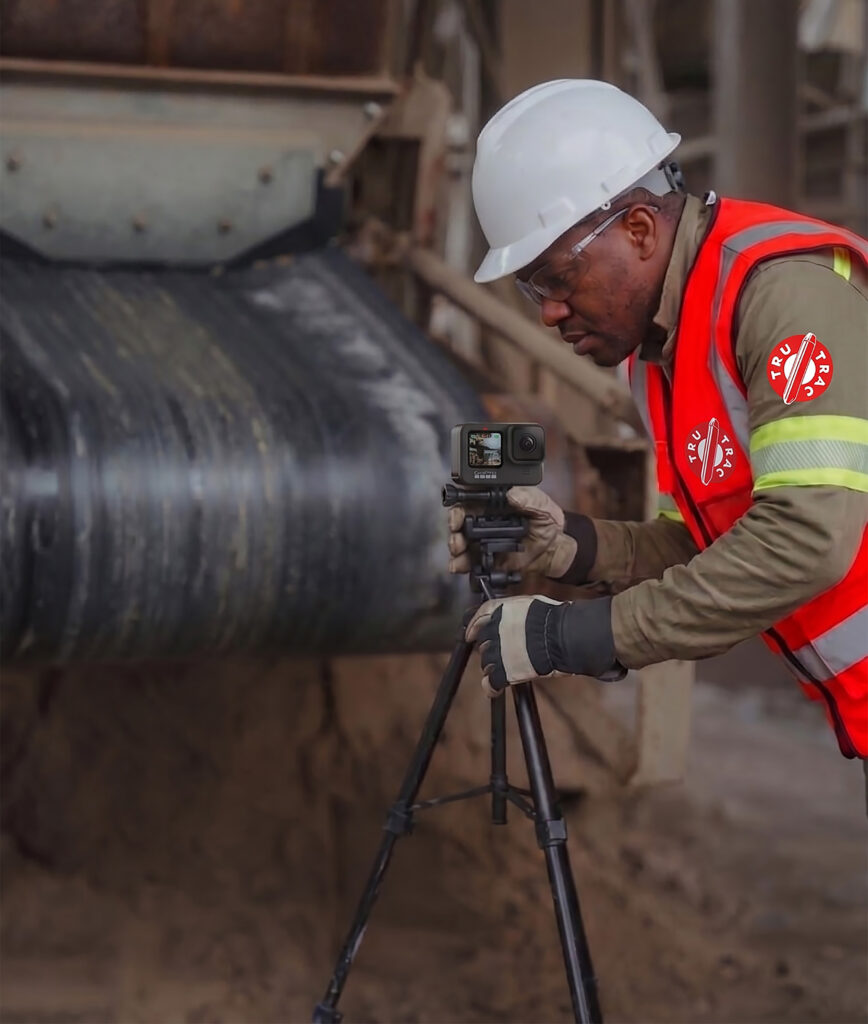
The benefits extend beyond maintenance planning alone. Early fault detection helps operations extend conveyor belt life, reduce secondary equipment damage, improve safety and optimise overall conveyor performance. In high-tonnage operations where conveyors often operate continuously under harsh environmental conditions, even minor improvements in reliability can translate into substantial operational and financial gains.
Pereira notes that conveyor systems are becoming increasingly integrated into broader digital maintenance and operational management platforms, with scanning technologies forming part of a more holistic approach to asset health monitoring.
“Modern conveyor management is no longer simply about replacing components when they fail,” he says. “It is about understanding the condition of the entire system in real time and using that information to make smarter operational decisions.”
As conveyor systems continue to form the backbone of mining, quarrying and bulk materials handling operations, Pereira believes that integrated belt and thermal scanning is rapidly evolving from a specialist maintenance tool into a strategic operational requirement.
“In today’s production environment, conveyor reliability directly impacts profitability,” he concludes. “Belt scanning and thermal scanning technologies are helping operations protect critical infrastructure, reduce total cost of ownership and ensure that conveyor systems continue operating safely and efficiently.”

Discover more from Africa-Middle East Mining and Energy News
Subscribe to get the latest posts sent to your email.